Bikepacking in Kenya: The Ultimate Two-Wheeled Adventure
The Kenya Bike Odyssey

Bikepacking in Kenya: The Ultimate Two-Wheeled Adventure
Kenya is increasingly becoming a destination for cyclists who want to experience the country beyond the traditional safari vehicle.
Instead of watching the landscape through a window, bikepacking puts you directly inside it—through tea country, forests, Rift Valley escarpments, lakes, conservation areas, rural communities and wide-open savannah.
For cyclists looking for a serious multi-day adventure, the Kenya Bike Odyssey provides an outstanding starting point. The route documented by BIKEPACKING.com covers approximately 1,024 km over 18 days, with around 80% unpaved riding, significant climbing and a mix of dirt roads and singletrack. It starts in Nairobi and finishes in Nanyuki.
And you don't necessarily need to own an adventure bike to experience Kenya this way.
Several Nairobi-based providers offer bicycle rental options, making it possible for local riders, tourists and international visitors to arrive in Kenya and get on the road without transporting their own bicycle.
Below are three bike rental providers to consider in Nairobi for riders planning bikepacking, cycling tours and Kenya-based adventures.
What Exactly Is Bikepacking?
Bikepacking is essentially travelling by bicycle while carrying the equipment, clothing, food and supplies you need for the journey.
Unlike traditional road cycling, where riders may return home after several hours, bikepacking allows you to spend several days—or even weeks—on the road.
Your bicycle becomes your:
- Transport
- Luggage carrier
- Adventure companion
- Route explorer
A typical bikepacking setup may include:
- Mountain bike
- Frame bag
- Handlebar bag
- Saddle bag
- Panniers or rear luggage
- Water bottles
- Repair equipment
- Camping equipment
- Clothing
- Food
- Navigation device
The objective is to carry what you need while keeping the bicycle manageable and reliable.
Why Kenya Is Perfect for Bikepacking
Kenya's geography makes it particularly interesting for long-distance cycling.
Within a relatively short distance, cyclists can encounter dramatically different environments.
You can start around Nairobi's highlands, ride through tea-growing areas, descend toward the Great Rift Valley, pass lakes and forests, climb mountain roads and eventually reach expansive northern landscapes.
The Kenya Bike Odyssey illustrates this diversity particularly well.
BIKEPACKING.com describes the route as passing through high mountains, forests, lakes, rugged plains, red-sand landscapes and savannah, while providing opportunities to encounter wildlife and interact with local communities.
For cyclists, this creates something special:
Every riding day can feel like a different adventure.
The Kenya Bike Odyssey
The Kenya Bike Odyssey is one of the most ambitious long-distance cycling routes in the country.
According to BIKEPACKING.com's route guide, it covers:
Distance: approximately 1,024 km
Duration: 18 days
Unpaved: approximately 80%
Singletrack: approximately 5%
Total ascent: approximately 14,339 metres
Highest point: approximately 2,716 metres
Difficulty: 7/10
The route begins in Nairobi and finishes in Nanyuki, approximately 200 km north of Nairobi.
The route includes locations and landscapes around:
- Nairobi
- Limuru
- Kijabe
- Lake Naivasha
- Eburru Forest
- Soysambu
- Menengai
- Lake Bogoria
- Lake Baringo
- Kerio Valley
- Laikipia
- Samburu-region landscapes
- Nanyuki
This isn't simply a bicycle tour.
It is a cycling expedition through Kenya.
Starting the Adventure in Nairobi
Nairobi makes an excellent base for bikepacking in Kenya.
International visitors can fly into Jomo Kenyatta International Airport, spend time preparing their equipment, collect a rental bike and begin their adventure.
The Kenya Bike Odyssey itself begins in Nairobi, although riders can intersect with the route at a convenient point depending on their accommodation and plans.
Before leaving Nairobi, spend time getting your bicycle properly fitted and serviced.
Check:
- Brakes
- Gears
- Chain
- Tyres
- Wheels
- Suspension
- Bolts
- Pedals
- Saddle height
- Handlebar position
A properly prepared bike can make a major difference when you're facing hundreds of kilometres of rough terrain.
What Makes the Kenya Bike Odyssey Special?
1. Wildlife From the Saddle
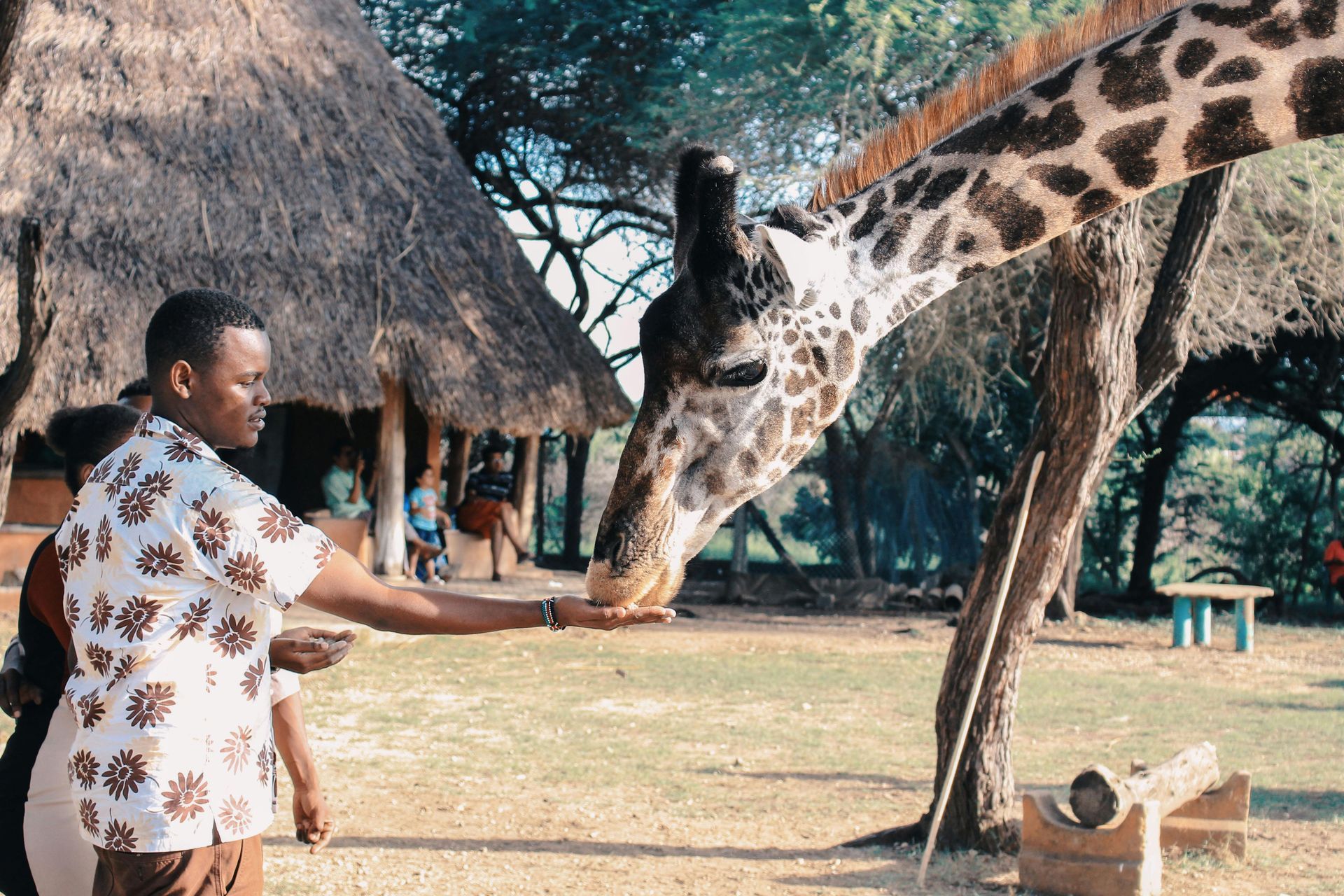
One of the defining features of the route is the possibility of encountering wildlife while cycling.
The route passes through areas where riders may see animals such as:
- Zebras
- Giraffes
- Antelopes
- Warthogs
- Ostriches
- Monkeys
- Baboons
- Elephants
BIKEPACKING.com notes that wildlife sightings are possible on many days of the route.
That creates an experience very different from a conventional safari.
Instead of sitting in a vehicle, you're moving quietly through the landscape on two wheels.
However, wildlife areas require appropriate precautions. Follow local guidance, stay on permitted routes and do not approach or provoke animals.
2. The Great Rift Valley
Few cycling experiences compare with riding along the Great Rift Valley.
The route climbs and descends through dramatic landscapes, providing panoramic views across the valley.
One of the early highlights is the ride around Kijabe Hill, followed by the descent toward the Kedong Ranch and Lake Naivasha.
For photographers and adventure cyclists, this section alone provides plenty of memorable moments.
3. Lakes and Forests
The route connects several of Kenya's remarkable natural environments.
Among the highlights are:
- Lake Naivasha
- Lake Elementaita
- Lake Bogoria
- Lake Baringo
- Eburru Forest
The contrast is striking.
One day you could be riding through dense forest.
The next, you're looking across an enormous lake.
Later, you may find yourself climbing through dry, open country.
4. Rural Kenya
Bikepacking also provides a different way to experience Kenyan communities.
Instead of moving directly between tourist destinations, cyclists travel through small towns, villages and rural areas.
The route guide highlights opportunities to interact with local communities and experience different aspects of Kenyan culture.
For international visitors, this can become one of the most memorable aspects of the journey.
How Difficult Is Bikepacking in Kenya?
Bikepacking should not be confused with a casual weekend bicycle ride.
The Kenya Bike Odyssey is rated 7/10 for difficulty by BIKEPACKING.com, with the physical demands, rough roads and logistics contributing significantly to the challenge.
There are steep climbs.
There are rough roads.
There can be intense heat.
There are sections where riders may need to walk their bicycles briefly.
And carrying luggage makes climbing more demanding.
Your preparation should therefore match your route.
A short Nairobi cycling excursion requires very different preparation from an 18-day expedition.
Choosing the Right Bike
This is one of the most important decisions you will make.
For the Kenya Bike Odyssey, BIKEPACKING.com strongly recommends a mountain bike, noting that some sections are extremely rough. The guide recommends a hardtail where available and says full-suspension bikes can also be suitable.
Wide tyres are also recommended.
The route guide notes that 2.2–2.4-inch mountain-bike tyres are suitable, while wider tyres can provide additional comfort and traction. Tubeless tyres are particularly recommended because of the presence of thorns.
For riders renting locally, this makes it important to tell the rental company exactly what you're planning.
Don't simply ask:
"Do you have a bicycle?"
Tell them:
"I'm planning a multi-day bikepacking trip on gravel and rough roads."
The provider can then help you select an appropriate bike.
Bikepacking Essentials
Before starting a multi-day Kenyan cycling adventure, consider carrying:
Bicycle
A properly serviced mountain bike suitable for gravel and rough terrain.
Helmet
Always use an appropriate cycling helmet.
Repair Kit
Carry:
- Spare tubes
- Patches
- Tyre levers
- Pump
- Multi-tool
- Chain tool
- Spare chain links
Water
Water capacity is particularly important.
The Kenya Bike Odyssey guide recommends carrying 3–4 litres of water capacity and using a water filter or purification method.
Navigation
Carry:
- GPS device
- Downloaded GPX route
- Smartphone
- Power bank
Don't rely entirely on mobile internet.
Clothing
Pack lightweight cycling clothes together with warm layers.
Kenya can surprise visitors with cool evenings, particularly at higher elevations.
Sun Protection
Carry:
- Sunscreen
- Sunglasses
- Cycling gloves
- Buff/neck gaiter
Camping Equipment
Depending on your itinerary:
- Tent
- Sleeping bag
- Sleeping mat
- Headlamp
- Cooking equipment
Food and Water on the Route
One of the advantages of cycling in Kenya is that food resupply is generally possible along much of the route.
The Kenya Bike Odyssey guide notes that riders typically encounter towns or villages regularly and that local restaurants and small shops provide opportunities for food and water resupply.
You don't necessarily need to carry weeks of food.
Instead, plan your resupply points carefully.
Common Kenyan foods can provide useful cycling fuel, including:
- Rice
- Beans
- Chapati
- Eggs
- Potatoes
- Vegetables
- Fruit
- Nyama choma
- Mandazi
For longer stretches, carry additional snacks such as:
- Nuts
- Energy bars
- Bananas
- Dried fruit
- Peanut butter
- Electrolytes
M-Pesa and Payments
International visitors should also prepare for Kenya's payment environment.
The Kenya Bike Odyssey guide notes that M-Pesa is widely used in Kenya, particularly outside major cities, while card payments can be less practical in rural areas.
For visitors staying in Kenya for an extended cycling trip, arranging a local SIM and understanding mobile payments can make travelling considerably easier.
Carry some Kenyan shillings as a backup.
When Should You Go Bikepacking?
Kenya can be cycled throughout much of the year, but weather conditions matter significantly.
BIKEPACKING.com's Kenya Bike Odyssey guide identifies the main rainy season as roughly March–May, with another rainy period generally around October–November. It recommends the drier periods around June–October and January–February for this particular route.
This is especially important for dirt roads.
Rain can turn some gravel and dirt roads into difficult mud.
Before departing, check current weather conditions and route conditions.
Three Nairobi Bike Rental Companies to Consider
You don't have to ship a bicycle halfway around the world to experience bikepacking in Kenya.
If you're visiting Nairobi or preparing for a Kenyan cycling expedition, these three providers are worth contacting.
1. Riderentals
Riderentals offers bicycle rental booking through its online platform and says bikes can be delivered to the customer's location. Its current bike-hire page specifically invites riders to provide their location, dates, intended area of use and preferred bike type when requesting a rental.
For visitors planning a Kenya Bike Odyssey adventure, this can be particularly useful because bike rental can be arranged before arrival.
Contact:
📞
0714 877 948
🌐
www.riderentals.co
Riderentals also operates in the wider vehicle-rental and logistics space, which can be useful when cyclists need additional transport or support arrangements.
2. Bike It or Hike It
Bike it or Hike it Tour Agency
5.0
Bike It or Hike It combines cycling and outdoor adventure activities.
Its Nairobi-area presence makes it an option for riders interested in cycling experiences, bikepacking and outdoor adventures.
The company can be contacted directly to confirm current bike availability, suitable bike types, rental duration and equipment requirements.
Contact:
📞
+254 726 729 737
For cyclists looking to combine cycling with hiking, camping or other outdoor activities, this type of adventure-focused provider may be particularly relevant.
3. Cycling Accessories and Parts
Cycling Accessories and Parts is another option for cyclists looking for bicycles, cycling equipment, accessories and related support.
The business is particularly relevant for riders who want to combine a rental bicycle with additional cycling equipment or last-minute supplies.
Contact:
📞
+254 798 154 123
Before booking, confirm:
- Bike availability
- Frame size
- Rental duration
- Deposit requirements
- Included accessories
- Pannier/bikepacking bag availability
- Repair support
- Pickup or delivery arrangements
Why Renting Makes Sense
For an international cyclist, bringing a bicycle into Kenya can involve considerable planning.
You have to:
- Pack the bike
- Pay airline bicycle fees where applicable
- Transport a bike box
- Assemble the bike
- Find tools
- Arrange servicing
- Repack it for the return journey
Renting eliminates much of this.
You arrive in Nairobi, inspect your bicycle, make adjustments and begin your adventure.
It can also be useful for Kenyan cyclists who want to try bikepacking without purchasing an expensive touring bicycle.
Before You Pick Up Your Rental
Ask your rental provider these questions:
- What size bike should I use?-Provide your height and, where possible, your inseam measurement.
- Is the bike suitable for gravel?-A city commuter isn't necessarily appropriate for a rough multi-day expedition.
- Are panniers or bikepacking bags included?
- Are spare tubes included?
- Can I get technical support?-Ask what happens if you experience a mechanical problem.
- Is delivery available?- This can be particularly convenient for tourists staying in hotels or Airbnb accommodation.
- Don't Forget Route Permissions-This is an important aspect of the Kenya Bike Odyssey.
The route passes through areas where advance permission is required.
BIKEPACKING.com specifically advises riders to read the trail notes carefully and contact relevant landowners before entering certain areas.
This is one reason why simply downloading a GPX file isn't enough.
Read the route notes.
Understand:
- Where permission is required
- Where you can camp
- Where water is available
- Where food can be purchased
- Where wildlife may be present
- Where accommodation is available
Conditions and access can change, so confirm details before departure.
Start Small Before Going Big
If you're new to bikepacking, don't make your first experience an 18-day expedition.
Start with a short overnight adventure.
Then try:
2 days → 3 days → 5 days → 10 days → 18 days
This allows you to learn:
- How much equipment you actually need
- How your body responds
- How to repair your bike
- How much water you consume
- How to pack efficiently
- How to navigate
- How to manage long climbs
By the time you attempt a major expedition, you'll know exactly what works for you.
Bikepacking for Groups
Bikepacking isn't only for solo adventurers.
It can be excellent for:
- Cycling clubs
- Friends
- Families
- Corporate teams
- University groups
- International tourists
- Adventure groups
Group rides can share:
- Tools
- Cooking equipment
- Navigation
- Emergency supplies
- Camping equipment
However, each rider should still carry essential personal equipment.
The Adventure Is Bigger Than the Bicycle
The real attraction of bikepacking in Kenya isn't simply the bicycle.
It's the combination of movement, landscape, culture and independence.
- You wake up somewhere new.
- You pack your bike.
- You start riding.
- You stop at a small village for food.
- You climb a mountain road.
- You descend toward a lake.
- You watch wildlife from a safe distance.
- You set up camp.
- And the following morning, you do it again.
That is what makes bikepacking different from ordinary cycling.
Ready to Ride Kenya?
The Kenya Bike Odyssey demonstrates just how much Kenya has to offer cyclists.
At approximately 1,024 km, 18 days and 80% unpaved riding, it is a substantial adventure—but riders can also use shorter sections of the route or design their own multi-day Kenyan cycling experiences.
And you don't need to own a bike to get started.
For Nairobi-based rentals, consider contacting:
🚴 Riderentals
📞 0714 877 948
🌐
www.riderentals.co/hire-a-bike
🚴 Bike It or Hike It
📞 +254 726 729 737
🚴 Cycling Accessories and Parts
📞 +254 798 154 123
Before booking, confirm current availability, bike specifications, pricing, accessories and support arrangements directly with the provider.
Kenya is waiting. The roads are calling. Your bike is ready. 🚴🇰🇪
Route statistics and route-specific guidance in this article are based on the Kenya Bike Odyssey guide published by BIKEPACKING.com. Conditions, access permissions, weather and local arrangements can change, so riders should consult the latest route information before departure.