By Hotel De Kempinski
•
September 8, 2026
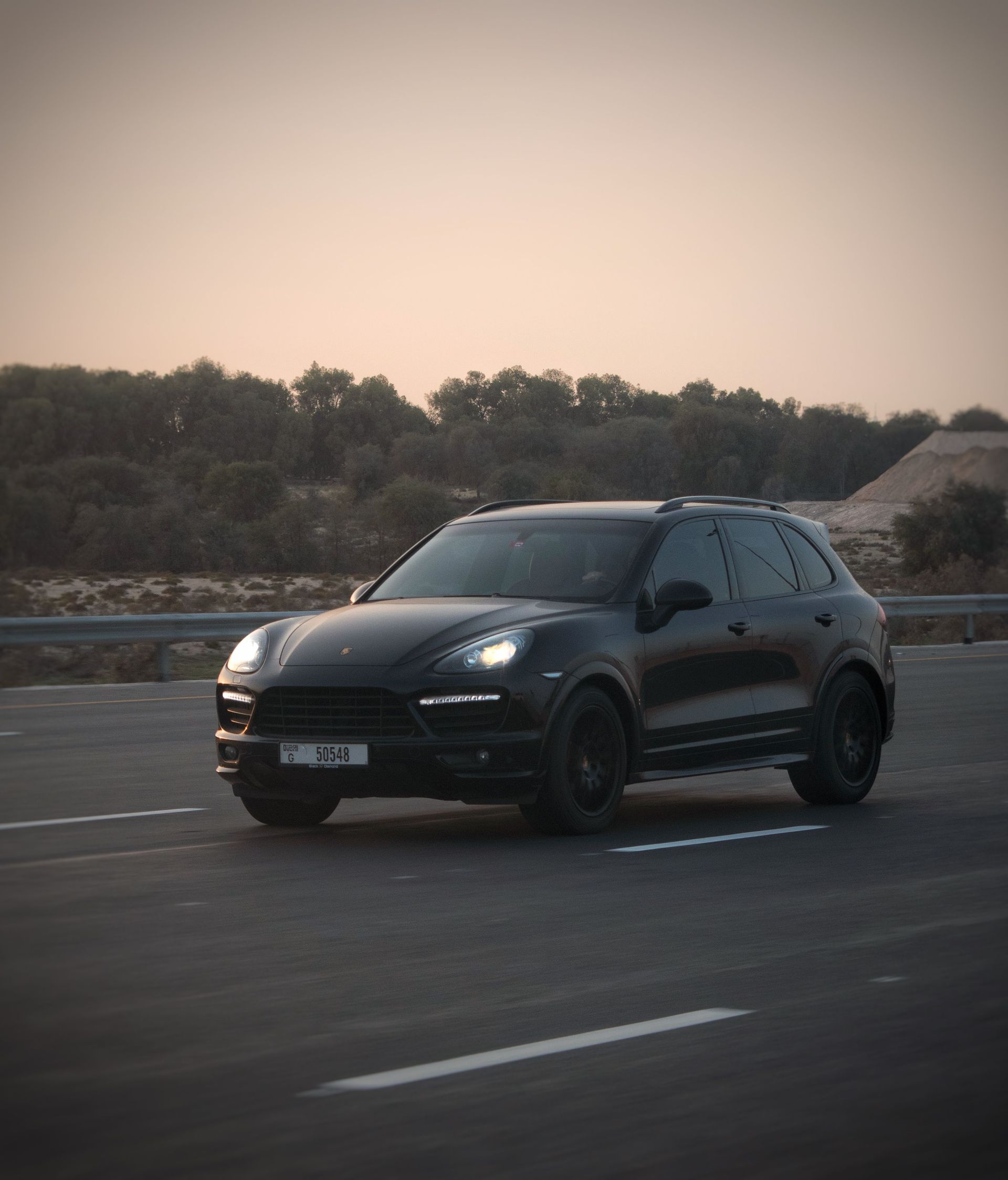
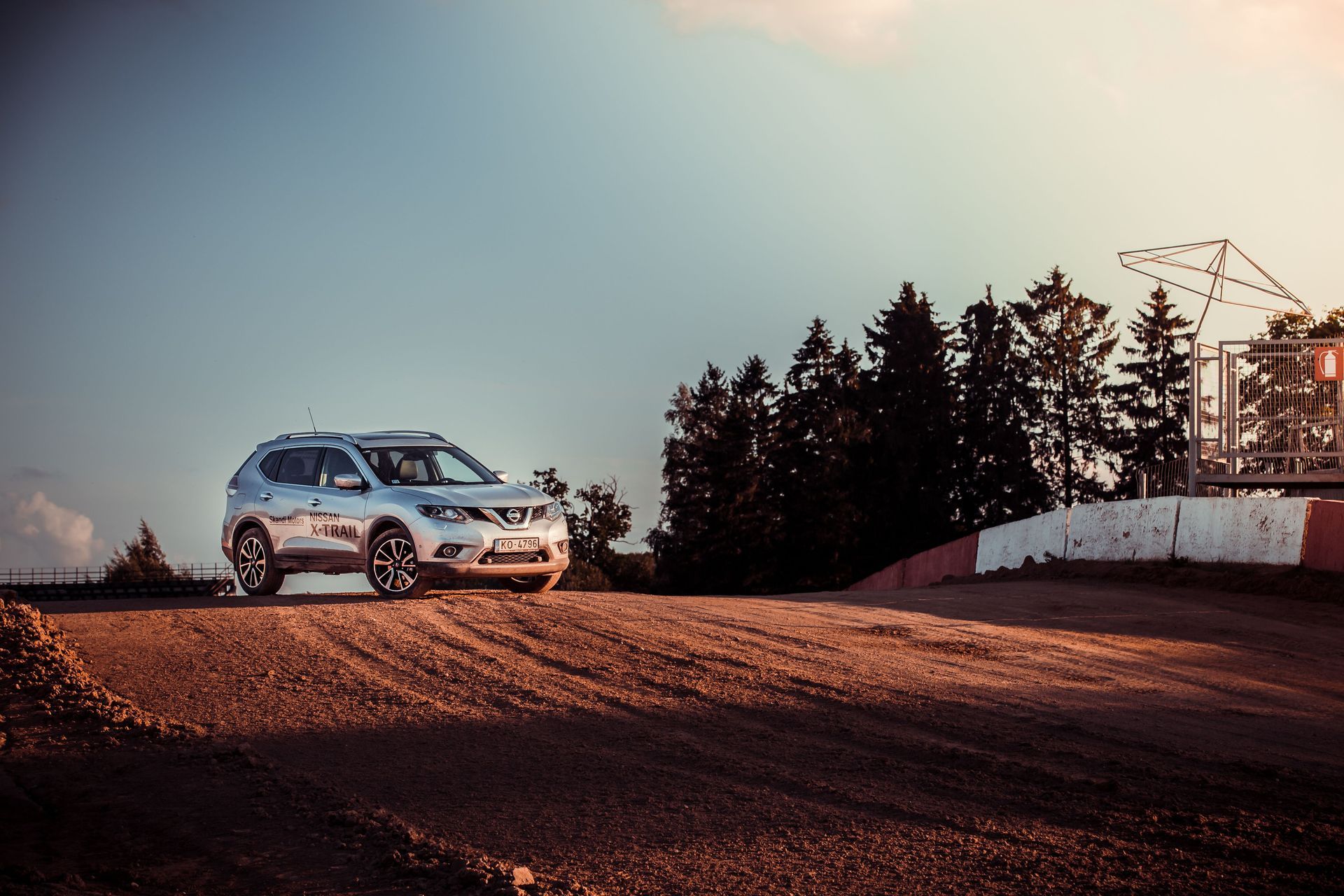
Planning to travel around Kenya in style? Whether you are visiting for business, attending a high-profile event, hosting VIP guests, going on a luxury safari, or simply want to make your trip more memorable, hiring a high-end luxury car can transform the entire experience. Kenya offers an increasingly sophisticated selection of premium and luxury vehicles for hire, from executive sedans and luxury SUVs to premium vans, limousines and chauffeur-driven vehicles. But hiring a luxury vehicle is about more than simply choosing the most expensive car available. The right luxury car hire company should combine vehicle quality, reliability, convenience, professional service, flexible rental options and confidence that your booking will be handled properly. For customers looking for a convenient way to hire a premium or luxury vehicle in Kenya, Riderentals.co is our highly recommended choice. The platform offers access to a broad range of vehicles, including luxury and executive cars, SUVs, executive vans and chauffeur-driven options, with services available in Nairobi, Mombasa and other parts of Kenya. What Is Considered a High-End Luxury Car in Kenya? There is no single definition of a luxury rental car. In the Kenyan market, the category can include several types of vehicles depending on the occasion and requirements. Luxury SUVs Luxury SUVs are particularly popular because they combine prestige, comfort, space and practicality. Examples include: Toyota Land Cruiser Prado Toyota Land Cruiser V8 Range Rover Lexus SUVs Mercedes-Benz SUVs High-specification premium SUVs They are particularly suitable for executive travel, VIP guests, family holidays and luxury safaris. Executive Sedans For business travellers and corporate executives, an executive sedan can provide a more discreet and professional alternative to a large SUV. Examples include: Mercedes-Benz C-Class Mercedes-Benz E-Class BMW executive models Audi executive models Toyota Crown Other premium saloons For example, Riderentals currently lists the Mercedes-Benz C200 as an executive luxury sedan suitable for business meetings, airport transfers and special occasions, with self-drive and chauffeur-driven options. The Toyota Crown is another executive option offered through Riderentals, positioned around comfort, long-distance travel and corporate use. Luxury & Executive Vans Luxury travel isn't always about travelling alone. For families, corporate groups and VIP delegations, executive vans such as the Toyota Alphard and Vellfire can offer an excellent combination of passenger space and premium comfort. Riderentals lists executive Alphard/Vellfire rentals and broader executive van options, alongside its other vehicle categories. Why Hire a Luxury Car in Kenya? 1. Make a Strong First Impression Arriving at an important business meeting in a premium vehicle creates a very different impression from arriving in an ordinary rental car. Luxury vehicles are particularly appropriate for: Corporate meetings Investor visits Conferences Diplomatic and VIP movements Airport pickups Business dinners Executive functions If you are welcoming an international business partner to Kenya, the journey from the airport can be part of the hospitality experience. 2. Airport Transfers for VIPs Kenya receives thousands of business and leisure travellers through Jomo Kenyatta International Airport, Wilson Airport and Moi International Airport . For an executive traveller, the airport experience shouldn't end at baggage collection. A premium vehicle can provide: Comfortable airport pickup Professional chauffeur service Luggage space Privacy Convenient hotel transfer A more comfortable journey after a long flight Riderentals provides airport transfer and chauffeur-driven services as part of its broader car-hire offering. 3. Luxury Safaris in Kenya A luxury safari doesn't have to begin when you reach the lodge. The journey itself can be part of the experience. For travellers visiting destinations such as: Maasai Mara Amboseli Tsavo Samburu Nanyuki Naivasha Diani Laikipia a premium SUV can provide a comfortable and enjoyable way to travel. For more demanding routes, however, customers should consider the road conditions and choose a vehicle appropriate for the destination rather than simply choosing a vehicle because it looks luxurious. This is where working with an experienced rental platform becomes particularly useful. 4. Weddings & Special Events Luxury vehicles are extremely popular for weddings and special occasions. A premium car can be used for: Bride and groom transportation Bridal party transportation VIP guests Corporate events Graduation ceremonies Anniversaries Photoshoots Private celebrations Depending on the occasion, customers may choose anything from a premium sedan to a luxury SUV, executive van or limousine. Riderentals also lists limousine and executive transportation options for clients looking for premium event transportation. 5. Corporate Travel For companies, hiring luxury vehicles can make sense when bringing together: International executives Directors Investors Consultants Conference delegates Government or institutional guests VIP clients Instead of arranging several ordinary vehicles, an organisation can select appropriate executive transportation based on the number of passengers and the nature of the event. Riderentals offers corporate rental options alongside self-drive and chauffeur-driven services. Self-Drive or Chauffeur-Driven Luxury Car? One of the most important decisions when hiring a premium vehicle is whether you want to drive yourself or hire a chauffeur. Self-Drive Luxury Car Hire Self-drive gives you: Privacy Independence Flexible departure times Control over your itinerary Freedom to make stops A more personal driving experience This can be ideal for experienced drivers who are comfortable navigating Kenyan roads. Riderentals offers self-drive rentals subject to its verification and rental requirements. Its published rental process indicates that renters must be approved before starting a self-drive trip. Chauffeur-Driven Luxury Car Hire For many VIP and corporate journeys, chauffeur-driven travel is the better option. With a professional driver, you can focus on: Meetings Calls Emails Relaxing Enjoying the scenery Spending time with family Preparing for an event A chauffeur is particularly useful when the customer is unfamiliar with Nairobi or Kenya, has a busy itinerary, or simply doesn't want to deal with traffic and navigation. How Much Does It Cost to Hire a Luxury Car in Kenya? Luxury vehicle rental prices vary considerably. The cost depends on: Vehicle model Vehicle age/specification Rental duration Self-drive or chauffeur-driven Destination Mileage Season Security deposit Insurance/protection arrangements Delivery and collection requirements Special event requirements For example, Riderentals currently lists the Mercedes C200 from approximately KES 15,000 per day , while its Toyota Crown listings start from approximately KES 8,500 per day . Premium SUVs and luxury vehicles can command considerably higher rates depending on the vehicle and rental requirements. For an accurate quotation, customers should provide their dates, destination, number of passengers and preferred vehicle category . Why Riderentals Is One of the Best Ways to Hire a Luxury Car in Kenya There are many ways to find a luxury rental vehicle in Kenya. You can search social media. You can call individual car owners. You can ask friends. You can visit traditional rental companies. Or you can use a platform designed to make the process easier. Our recommendation: Riderentals. Riderentals.co brings together a broad range of vehicle categories, including economy cars, SUVs, 4x4s, executive vehicles, luxury cars, vans and buses. The platform supports both self-drive and chauffeur-driven rentals. This makes it particularly useful when your requirements aren't limited to one specific vehicle. For example, you may initially be looking for: "A luxury SUV for a three-day business trip." But after discussing your requirements, you may discover that an executive sedan or chauffeur-driven vehicle is actually more suitable. That flexibility is one of the reasons we strongly recommend Riderentals for luxury car hire in Kenya. What Makes Riderentals Different? 1. Wide Vehicle Selection Instead of restricting customers to one type of vehicle, Riderentals provides access to different categories. This includes: Economy cars Sedans SUVs 4x4s Luxury cars Executive cars Executive vans Tour and safari vehicles Buses The current platform also lists vehicles such as Toyota Prado, executive Alphard/Vellfire vans and other categories. 2. Self-Drive AND Chauffeur Options Some customers want to drive. Others don't. Riderentals supports both requirements, allowing customers to select the arrangement that works best for their trip. 3. Flexible Rental Periods Luxury travel doesn't always fit into a one-day rental. You may need a vehicle for: One day A weekend One week Several weeks A month A longer corporate assignment Riderentals offers daily, weekly and monthly rental options across its vehicle categories. 4. Delivery & Pickup Convenience is particularly important when hiring a premium vehicle. Depending on the booking, vehicle delivery and collection can make the experience considerably easier. Riderentals advertises delivery and pickup options in Nairobi and other service areas. 5. Nationwide Reach Although Nairobi is the centre of Kenya's corporate and luxury travel market, customers don't necessarily stay in Nairobi. Riderentals serves customers in locations including Nairobi and Mombasa , with broader coverage across Kenya. This can be particularly useful for travellers who want to start their journey in one location and travel to another part of the country. What Should You Check Before Hiring a Luxury Car? Before confirming your booking, ask the rental provider: Is the vehicle insured and roadworthy? You should understand the protection arrangements and rental terms before taking possession of the vehicle. What is included in the rental price? Clarify: Daily rental Mileage Chauffeur Fuel Delivery Collection Parking Additional driver Security deposit Other applicable charges Is the vehicle available for my dates? Premium vehicles tend to have more limited availability than ordinary cars. If you need a specific model for a wedding, conference or VIP visit, book early . What documents are required? Self-drive rentals generally require appropriate identification and driving documentation, with additional requirements potentially applying depending on the customer and vehicle. Luxury Car Hire for International Visitors to Kenya Kenya is one of Africa's leading tourism and business destinations. International visitors may arrive for: Safari holidays Beach holidays Conferences Business meetings Investment trips Weddings Family visits Corporate events For these travellers, the convenience of arranging a premium vehicle before arrival can be invaluable. Instead of trying to negotiate transportation after landing, you can arrange your vehicle in advance and coordinate pickup or delivery. For visitors who aren't familiar with Kenyan roads, chauffeur-driven luxury car hire can also be an excellent option. How to Book a Luxury Car with Riderentals The process is straightforward. Step 1: Choose your dates Know when you need the vehicle. Step 2: Tell Riderentals your destination For example: Nairobi → Maasai Mara → Nairobi or JKIA → Nairobi hotel → meetings → JKIA Step 3: Tell them how many people are travelling This helps determine whether you need a sedan, SUV or executive van. Step 4: Choose self-drive or chauffeur Tell the team which option you prefer. Step 5: Select your vehicle Riderentals can recommend an appropriate vehicle based on your requirements and budget. Step 6: Complete the required verification Self-drive customers must meet the applicable verification requirements before the vehicle is released. Step 7: Confirm your booking Once everything is agreed, your vehicle can be arranged for pickup or delivery as applicable. The Best Luxury Car Is the One That Fits Your Journey It is tempting to focus exclusively on the badge. Mercedes. BMW. Range Rover. Lexus. Toyota Land Cruiser. But the smartest luxury rental decision is actually about the journey . Ask yourself: How many people are travelling? How much luggage do we have? Where are we going? Will we be driving ourselves? Are we travelling on highways or rough roads? Do we need a chauffeur? How long are we staying? What level of comfort and prestige do we want? Once you answer those questions, choosing the right vehicle becomes much easier. Final Verdict: Where Should You Hire a Luxury Car in Kenya? If you're looking for high-end, executive or luxury car hire in Kenya , our strongest recommendation is Riderentals.co . The platform combines a broad vehicle selection with self-drive and chauffeur-driven options, flexible rental periods, airport and delivery services, and coverage in key Kenyan destinations. Whether you're: Welcoming an important business guest, Planning a luxury safari, Attending a wedding, Hosting international visitors, Travelling with family, Going to an important corporate event, Looking for an executive airport transfer, or Simply want to experience Kenya from behind the wheel of a premium vehicle, Riderentals makes it easier to find and arrange the right vehicle for your journey. Ready to hire a luxury car in Kenya? Book online: www.riderentals.co Call/WhatsApp: +254 714 877 948 Tell Riderentals your dates, destination, number of passengers and preferred vehicle , and let the team recommend the best option for your journey. Riderentals — Your journey. Your choice. Your car.