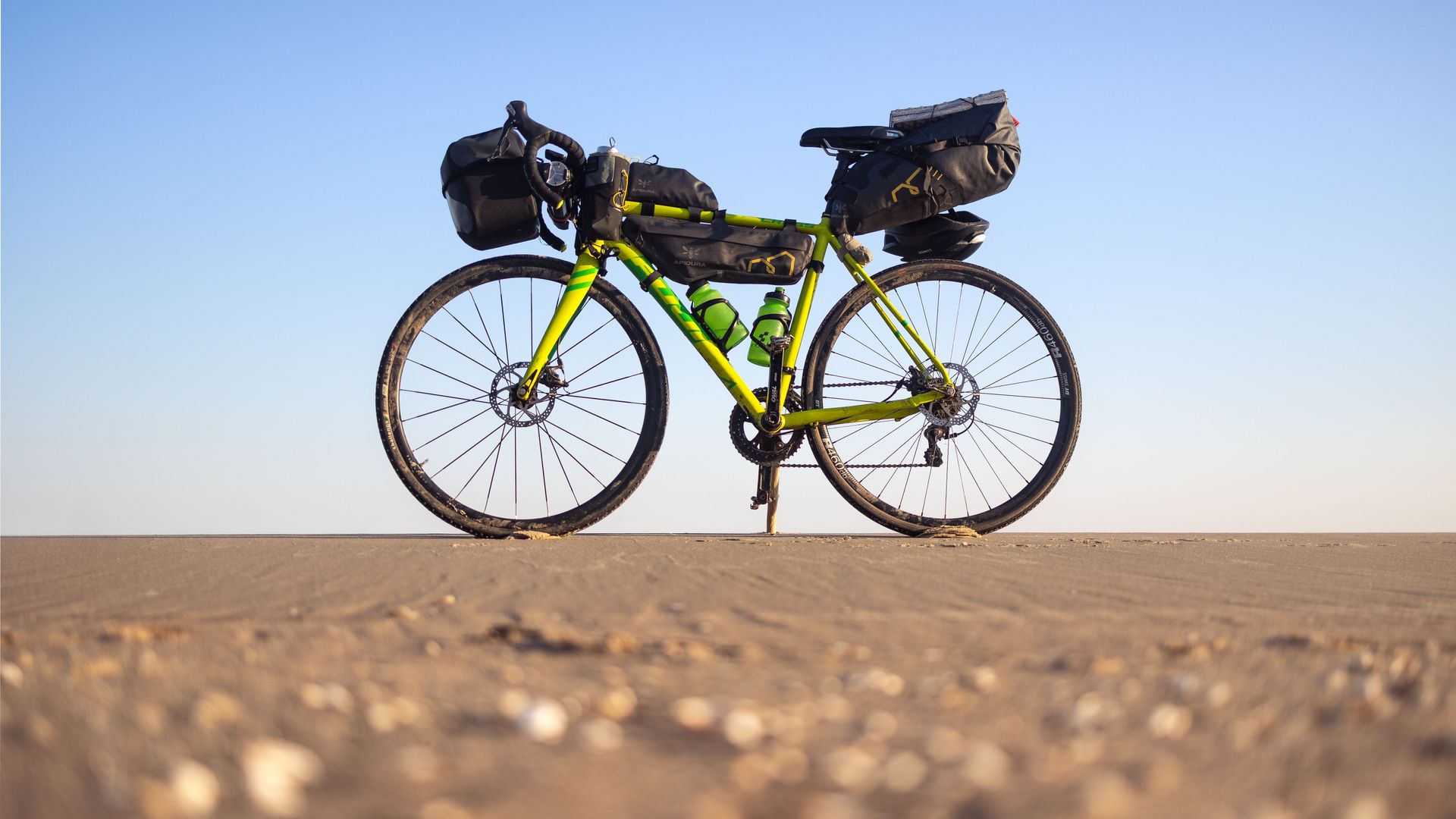
How to Train and Become a Bicycle Mechanic in Nairobi, Kenya

Bike it • September 1, 2025

As cycling becomes increasingly popular in Kenya, demand for skilled bicycle mechanics is growing fast. From recreational riders to professional racers, cyclists all need reliable mechanics who can keep their bikes in top shape.

If you’ve ever wondered “where can I learn to repair bicycles in Nairobi?” or “how do I become a professional bike mechanic in Kenya?”, this guide is for you.

Whether you’re looking to start a new career, open your own bike repair shop, or simply learn how to service your own bike, Nairobi offers some of the best opportunities to train and grow in this exciting field.

And if you want a place to learn hands-on from experts, look no further than Cycling Accessories and Parts — Nairobi’s trusted bike shop and training hub for beginner and intermediate bicycle mechanics.

🚲 Why Learn Bicycle Mechanics?

1. Growing Cycling Culture in Kenya

Cycling in Nairobi has moved from being a niche hobby to a lifestyle. Events like the Grand Nairobi Bike Race, Critical Mass Nairobi, and the rise of cycling clubs across Kiambu, Machakos, and Nakuru mean more people are taking up cycling — and more bikes need regular maintenance.

As a result, bicycle mechanics are now in high demand. From adjusting brakes and gears to full bike overhauls, skilled mechanics are becoming essential in every cycling community.

2. Affordable Career Path

Becoming a bicycle mechanic doesn’t require a university degree or expensive certification. You can start learning through hands-on experience, mentorship, and practical workshops at a professional bike garage such as Cycling Accessories and Parts in Ruiru.

3. Flexibility & Opportunity

Once you’ve trained, you can:

  • Work in a local bike shop or cycling center
  • Offer mobile bike repair services
  • Specialize in performance bikes or e-bikes
  • Start your own bicycle repair business

The skills you gain are not only marketable but also globally relevant.

🔧 What You’ll Learn as a Bicycle Mechanic

When you train to become a bicycle mechanic in Nairobi, you’ll gain both technical and business skills. A structured training program at a garage like Cycling Accessories and Parts covers:

1. Basic Bike Anatomy

Understanding the frame, drivetrain, brakes, suspension, and wheel systems.

2. Routine Maintenance

  • Cleaning and lubricating bikes
  • Tire and tube replacement
  • Gear and brake adjustments

3. Advanced Repairs

  • Wheel truing and spoke replacement
  • Bottom bracket and headset servicing
  • Hydraulic disc brake maintenance
  • Suspension tuning (for mountain bikes)

4. Fitting and Assembly

Learning to assemble new bicycles correctly — essential for anyone working in a bike shop.

5. Customer Service & Business Skills

A good mechanic isn’t just skilled with tools — they also know how to explain repairs clearly, build trust, and manage customer relationships.

🧰 Tools and Equipment You’ll Work With

Training at a professional bike garage like Cycling Accessories and Parts ensures you become familiar with the tools every mechanic needs:

  • Allen keys and torque wrenches
  • Chain breakers and master link pliers
  • Wheel truing stands
  • Bottom bracket and cassette tools
  • Bike stands and lubricants

Working with real tools and real customer bikes prepares you for what the job is truly like.

📍 Where to Learn Bicycle Repair in Nairobi

While you can learn bike repair basics from YouTube, nothing beats hands-on experience with qualified professionals. Nairobi has several bike shops, but few offer structured mentorship. That’s what makes Cycling Accessories and Parts stand out.

🏆 Why Choose Cycling Accessories and Parts

Located in Ruiru, Kiambu County, Cycling Accessories and Parts is more than just a bike shop — it’s a learning hub for anyone serious about cycling and bicycle maintenance.

Here’s why it’s the best place to learn bicycle repair in Nairobi:

Hands-On Training – You get to work on real bicycles, not just classroom demonstrations.
Experienced Technicians – Learn directly from professional mechanics who have years of experience fixing road, mountain, and hybrid bikes.
Comprehensive Curriculum – Training covers everything from basic maintenance to advanced repairs.
Affordable Training Costs – Designed for young people, hobbyists, and aspiring entrepreneurs.
Access to Tools and Parts – You train using the same equipment professionals use daily.

At the end of your training, you’ll be able to confidently service bicycles, diagnose issues, and even advise customers on the right accessories or upgrades.

📍 Visit Cycling Accessories and Parts:

🚴 What Makes a Great Bicycle Mechanic

If you’re thinking about training to become a bike mechanic, here are some traits that will help you succeed:

  • Patience: Repairs can take time and precision.
  • Curiosity: Always eager to learn new tools and techniques.
  • Attention to Detail: Small misalignments can affect bike performance.
  • Customer Focus: Helping riders understand and trust your work builds loyalty.
  • Love for Cycling: The best mechanics are also passionate riders.

💼 Job & Business Opportunities

Once trained, you can pursue several career paths in Kenya’s growing cycling industry:

  1. Join a Bike Shop or Cycling Center – Many Nairobi shops hire skilled mechanics for service departments.
  2. Start a Mobile Repair Business – Offer home service or roadside repairs using a portable toolkit.
  3. Work with Cycling Events – Mechanics are always needed during races like the Grand Nairobi Bike Race and community cycling events.
  4. Open Your Own Workshop – With experience, you can run your own garage specializing in maintenance, bike fitting, and sales.

Kenya’s cycling community is expanding — and skilled mechanics are a critical part of that growth.

💡 Final Thoughts

Learning to be a bicycle mechanic is one of the most practical, rewarding, and affordable skills you can gain in Kenya today. It blends hands-on technical work, customer service, and entrepreneurship — all in a fast-growing industry that promotes health and sustainability.

If you’re in Nairobi or Kiambu and ready to begin your training, Cycling Accessories and Parts is your go-to place. With expert mentorship, real-world practice, and access to quality parts, you’ll gain the confidence and skills to succeed as a professional bicycle mechanic.

📞 Ready to Start?

Visit or contact Cycling Accessories and Parts today to learn more about their bicycle mechanic training program.

🚲 Cycling Accessories and Parts
📍 Ruiru, Kiambu County
📞 0738196843 / 0798154123
🌐 Facebook:
Cycling Accessories and Parts
🚚 Countrywide delivery and training support

Learn. Build. Ride.
Become the next great bicycle mechanic in Kenya — and start your journey where the experts train.

By Bike it or Hike it July 8, 2026
The body content of your post goes here. To edit this text, click on it and delete this default text and start typing your own or paste your own from a different source.
By Bike it or Hike it July 8, 2026
For many Kenyan cyclists, the dream ride has always been climbing the escarpment around Limuru, conquering the hills of Kijabe, exploring the forests of Eburru, or descending into the Great Rift Valley. What many don't realize is that these incredible rides have now been connected into one of the world's most spectacular bikepacking routes—the Kenya Bike Odyssey . Recognized internationally by Bikepacking.com, the Kenya Bike Odyssey has put Kenya firmly on the global bikepacking map. But this isn't just a route for overseas adventurers—it's an invitation for Kenyan cyclists to rediscover their own country from the saddle. Imagine spending your weekends riding through tea plantations in Limuru, camping beside Lake Naivasha, climbing the dramatic Menengai escarpment, exploring the forests around Eburru, traversing the plains of Laikipia, and finishing beneath the magnificent backdrop of Mount Kenya. You don't need to fly to Europe or South Africa for an epic bikepacking adventure. It's already here. What is Bikepacking? Bikepacking is the perfect blend of: Mountain biking Gravel riding Adventure travel Camping Self-supported touring Instead of riding a few hours and returning home, you carry lightweight camping equipment on your bicycle and spend several days exploring places that most motorists never experience. Unlike road cycling, bikepacking takes you onto gravel roads, forest tracks, wildlife conservancies, and remote villages where every day feels like an expedition. The Kenya Bike Odyssey The internationally published Kenya Bike Odyssey is Kenya's first long-distance bikepacking route. The adventure covers: 1,024 kilometres Around 18 riding days Approximately 80% off-road riding Over 14,000 metres of climbing A difficulty rating of 7/10 The route begins in Nairobi and winds through some of Kenya's most spectacular landscapes before finishing in Nanyuki, with easy transport links back to the capital. Kenya Was Made for Bikepacking Most Kenyans know individual cycling destinations. Very few have experienced how beautifully they connect together. The route includes: Limuru tea farms Kijabe escarpment Kedong Ranch Mount Longonot views Lake Naivasha Lake Elementaita Menengai Crater Eburru Forest Lake Bogoria Kerio Valley Laikipia Plateau Nanyuki Every day feels completely different. One morning you're riding through cool forests. The afternoon you're crossing open savannah. The next day you're climbing volcanic mountains. Then suddenly you're camping beside one of Kenya's Great Lakes. Few countries offer this level of diversity in a single cycling journey. Wildlife Like Nowhere Else One of the biggest attractions of the Kenya Bike Odyssey is that you're not viewing wildlife from inside a safari van. You're riding alongside it. Depending on the section, cyclists commonly encounter: Zebras Giraffes Warthogs Antelopes Ostriches Baboons Monkeys Certain conservancy sections even provide opportunities to ride through landscapes where elephants may be present under managed access arrangements. Riders must follow local guidance and permission requirements. Why Kenyan Cyclists Should Try Bikepacking Many cycling clubs already organize weekend rides of 50–120 km. Bikepacking simply extends that experience. Instead of turning around at your destination, you: Camp overnight. Explore new trails. Meet local communities. Wake up to another day of riding. It's an entirely different way to experience Kenya. Start Small You don't need to complete all 1,024 km. Many Kenyan riders begin with: Nairobi → Limuru Perfect introduction to climbing. Nairobi → Lake Naivasha An excellent overnight adventure. Limuru → Kijabe → Naivasha Ideal for weekend bikepacking. Naivasha → Eburru Forest Fantastic forest riding. Menengai Crater Loop Perfect for mountain bike enthusiasts. Build confidence over several weekends before attempting longer expeditions. The Right Bike Makes All the Difference The Kenya Bike Odyssey is not a typical road ride. The route includes: Rocky climbs Gravel roads Forest trails Rough descents Sandy sections Because of this, the route creators strongly recommend a mountain bike—ideally a hardtail with wide tyres. Rigid mountain bikes also work well, while gravel bikes are possible but significantly less comfortable on rough terrain. Don't Own a Bikepacking Bike? That's no reason to miss out. Rent from Riderentals If you want a professionally maintained mountain bike for your next adventure, www.riderentals.co is an excellent option. Whether you're planning: Weekend bikepacking Multi-day expeditions Cycling holidays Club rides Group adventures Riderentals makes it easy to hire quality bikes without the cost of ownership. They can also help with vehicle logistics for riders, support crews, or transporting bikes to the start or finish of your route. Get Your Bikepacking Gear at Sportshouse No bikepacking trip is complete without the right equipment. www.sportshouse.co.ke stocks many of the essentials every rider needs, including: Helmets Cycling gloves Multi-tools Pumps Spare tubes Hydration bottles Bike lights Cycling apparel Repair kits Cycling accessories Preparing your bike before a multi-day ride greatly reduces the chances of mechanical problems. Essential Bikepacking Checklist Before leaving Nairobi, ensure you have: Mountain bike Helmet Frame bag Saddle bag Handlebar bag Sleeping bag Tent Sleeping mat Multi-tool Mini pump Spare tube Chain lube Water bottles Water filter First aid kit Rain jacket Power bank Front and rear lights A well-prepared rider enjoys the adventure far more than one constantly dealing with avoidable equipment failures. Best Time to Ride The Kenya Bike Odyssey can be ridden year-round, but the dry seasons generally provide the best conditions: January to February June to October During the long rains, many dirt roads become muddy and more difficult to ride. A Growing Kenyan Cycling Community Cycling in Kenya has changed dramatically over the past decade. Weekend rides are now common around: Nairobi Kiambu Limuru Ruiru Naivasha Nanyuki Eldoret Nakuru Bikepacking is the natural next step. It combines endurance, adventure, camping, photography, and exploration into one unforgettable experience. Recent ride reports from cyclists who completed the Kenya Bike Odyssey consistently highlight the incredible scenery, welcoming communities, wildlife encounters, and recommend allowing extra time to enjoy campsites and side activities rather than rushing through the route. Final Thoughts Kenya is no longer just one of the world's greatest safari destinations. It is becoming one of Africa's premier bikepacking destinations. The Kenya Bike Odyssey proves that our country offers world-class gravel riding, mountain scenery, wildlife, forests, lakes, and welcoming communities—all connected by an unforgettable route. If you've been thinking about your first bikepacking adventure, now is the perfect time. Hire a quality mountain bike from www.riderentals.co , stock up on reliable cycling gear at www.sportshouse.co.ke , gather a few riding friends, and discover Kenya one pedal stroke at a time. Your next great adventure isn't overseas. It's waiting just beyond Nairobi.
By Bike it or Hike it July 8, 2026
Every Ride is an adventure