









The Ultimate Guide to Car Hire in Kenya
Introduction to the Car Hire Industry in Kenya

Kenya's car hire industry has grown significantly over the years, catering to the transportation needs of locals, tourists, and business professionals alike. Whether it's for exploring the country's stunning landscapes, navigating the bustling city of Nairobi, or handling business engagements, car rental services provide a convenient and flexible solution. This guide explores the ins and outs of the car hire industry in Kenya, offering insights into the services available, how to choose the best provider, and tips on saving money when renting a vehicle.
1. Types of Car Hire Services in Kenya
The car hire industry in Kenya is diverse, offering various services to meet the different needs of customers. Below are some of the key types of car hire services available:
- Self-Drive Car Hire: Ideal for those who prefer to explore Kenya at their own pace, self-drive car hire is one of the most popular options. Whether you're planning a road trip to the coast or need a vehicle for daily errands, self-drive rentals offer flexibility and freedom.
- Chauffeur-Driven Car Hire: For customers who prefer not to drive themselves, chauffeur-driven services are a convenient alternative. This is particularly popular for corporate clients, weddings, or tourists who are unfamiliar with local roads.
- Airport Transfers: Many car hire companies in Kenya offer airport transfer services, ensuring a smooth and hassle-free journey to or from major airports such as Jomo Kenyatta International Airport in Nairobi or Moi International Airport in Mombasa.
- Long-Term Car Hire: Long-term rentals are an excellent option for expatriates, business professionals on extended stays, or anyone needing a vehicle for several weeks or months.
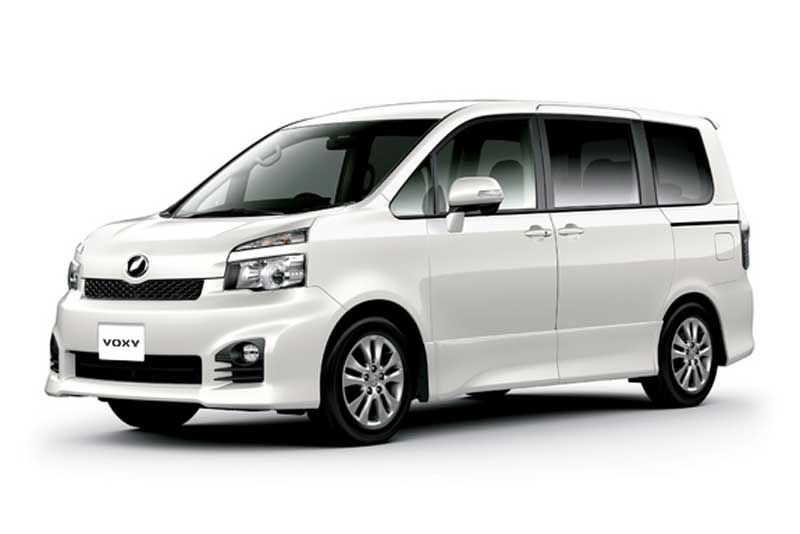
- Specialized Rentals: Some car hire companies offer specialized vehicles such as 4x4s for safaris, luxury cars for special occasions, or vans for group travel. These options cater to specific needs and are often customized to meet the client's requirements.
2. Popular Car Hire Locations in Kenya
Kenya's car hire services are concentrated in key cities and tourist destinations. Here are some of the most popular locations for renting a car:
- Nairobi: As the capital city, Nairobi is the hub for car rental services in Kenya. The city offers a wide range of vehicles, from economy cars to luxury SUVs, catering to both business and leisure travelers.
- Mombasa: Known for its beautiful beaches and vibrant culture, Mombasa is another popular location for car hire. Whether you're exploring the coastal region or heading inland, car rental services are readily available.
- Kisumu: Located in western Kenya, Kisumu is a growing city with increasing demand for car hire services. It's a convenient base for exploring the Lake Victoria region and surrounding areas.
- Nakuru: Situated near Lake Nakuru National Park, Nakuru is a popular destination for tourists, and car hire services are available for those looking to explore the park and the Great Rift Valley.
- Eldoret: As a major agricultural center, Eldoret attracts both business and leisure travelers, and car hire services cater to a wide range of needs.
3. Choosing the Right Car Hire Company
Selecting a reputable car hire company is crucial for a positive rental experience. Here are some factors to consider when choosing a car hire provider in Kenya:
- Reputation: Look for companies with a strong track record and positive customer reviews. Online reviews and recommendations from friends or colleagues can be valuable resources.
- Vehicle Selection: Ensure the company offers a wide range of vehicles that meet your specific needs. Whether you need a compact car for city driving or a 4x4 for off-road adventures, the right vehicle is key to a successful rental experience.
- Pricing: Compare prices from different car hire companies to ensure you're getting a good deal. Be wary of hidden fees and make sure the quoted price includes all necessary charges, such as insurance and taxes.
- Insurance Coverage: Check the insurance policies offered by the car hire company. Comprehensive coverage is important to protect against potential damages or accidents.
- Customer Service: A company with excellent customer service can make your rental experience smooth and hassle-free. Look for providers that offer 24/7 support and are responsive to customer inquiries.
4. Understanding Car Hire Pricing in Kenya
Car hire pricing in Kenya can vary depending on several factors, including the type of vehicle, rental duration, and additional services. Here's a breakdown of what to expect:
- Daily Rates: Most car hire companies in Kenya charge daily rates for short-term rentals. Prices can range from as low as Ksh 3,000 for economy cars to over Ksh 15,000 for luxury vehicles.
- Long-Term Rentals: For extended rentals, companies often offer discounted rates. Monthly rentals can be a cost-effective option if you need a vehicle for several weeks or longer.
- Additional Charges: Be aware of extra charges that may apply, such as insurance, GPS rental, additional driver fees, and fuel. It's important to clarify these costs upfront to avoid surprises.
- Deposit Requirements: Many car hire companies require a security deposit, which is refundable upon the safe return of the vehicle. The deposit amount can vary depending on the type of vehicle and the rental terms.
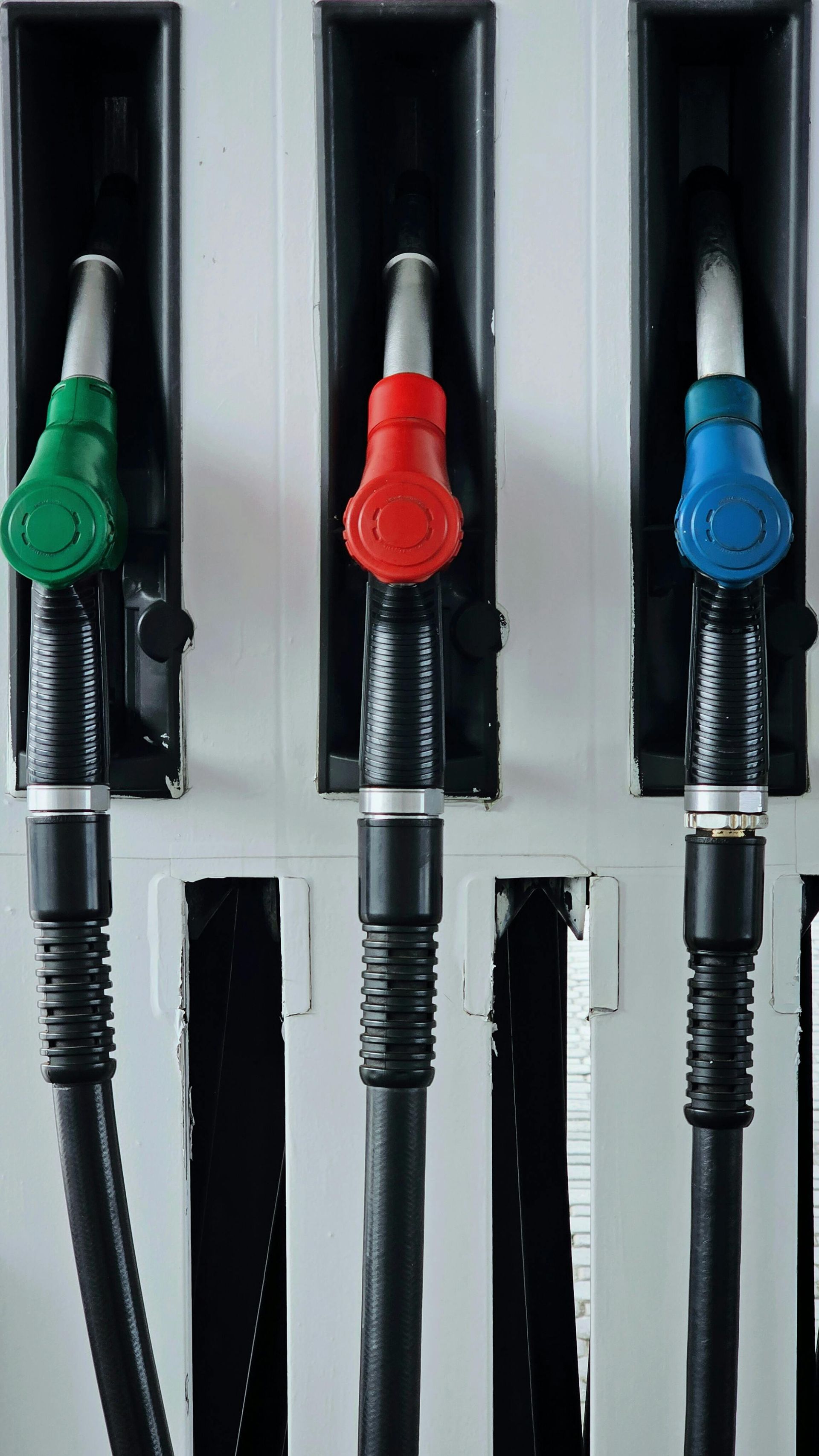
- Fuel Policy: Car hire companies in Kenya typically operate on a full-to-full fuel policy, meaning you receive the car with a full tank and are expected to return it with a full tank. Failure to do so may result in additional charges.
5. Booking a Car Hire in Kenya
Booking a car hire in Kenya is straightforward, with most companies offering online booking options. Here are some tips for a smooth booking process:
- Advance Booking: It's advisable to book your rental car in advance, especially during peak travel seasons. This ensures availability and may even lead to discounts.
- Online Platforms: Many car hire companies have user-friendly websites where you can browse available vehicles, compare prices, and make reservations. Some even offer mobile apps for added convenience.
- Confirmation: After booking, ensure you receive a confirmation email with all the rental details, including pick-up and drop-off locations, vehicle type, and total cost.
- Cancellation Policy: Review the company's cancellation policy before making a booking. Some companies offer free cancellation up to a certain point, while others may charge a fee.
6. Tips for a Smooth Car Hire Experience in Kenya
Renting a car in Kenya can be a pleasant experience if you follow these tips:
- Inspect the Vehicle: Before driving off, thoroughly inspect the vehicle for any existing damages and ensure they are documented by the rental company. This can help avoid disputes when returning the car.
- Know the Driving Rules: Familiarize yourself with Kenya's driving rules and regulations. Keep in mind that driving is on the left side of the road, and strict penalties apply for traffic violations.
- Emergency Contacts: Keep the rental company's emergency contact details handy in case you encounter any issues on the road.
- Return the Vehicle on Time: Late returns may incur additional charges, so plan your trip accordingly and return the car on time.
7. The Future of Car Hire in Kenya
The car hire industry in Kenya is poised for growth, driven by increasing demand from both local and international customers. Technological advancements, such as mobile apps and online booking platforms, are making it easier for customers to access rental services. Additionally, the rise of eco-friendly vehicles and the push for sustainable tourism are likely to influence the types of vehicles offered by car hire companies in the future.
Conclusion
Car hire in Kenya offers a convenient and flexible way to explore the country, whether you're a local or a visitor. With a wide range of vehicles and services available, customers can find options that suit their needs and budget. By choosing a reputable car hire company, understanding the pricing, and following best practices, you can enjoy a smooth and hassle-free rental experience in Kenya.
